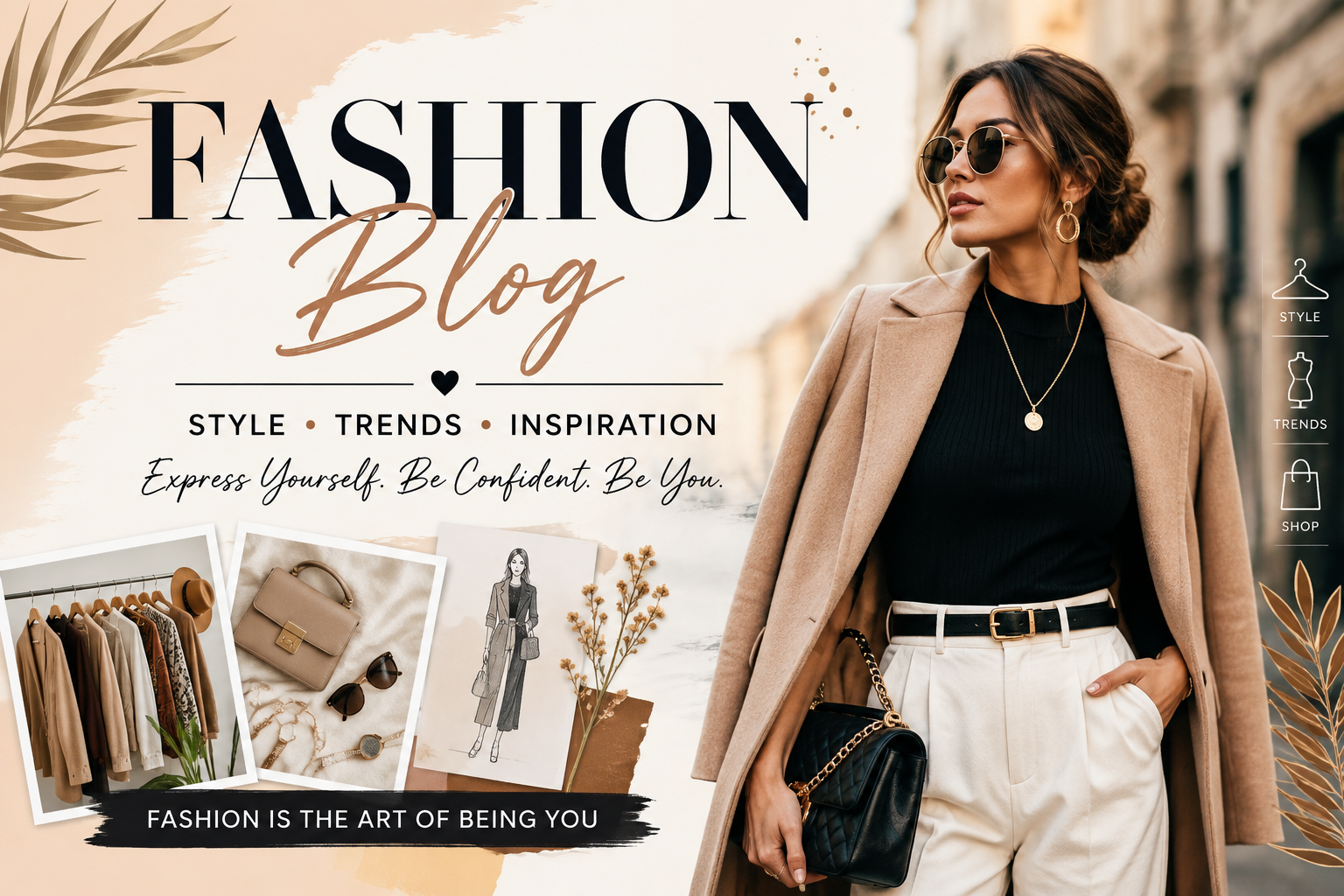
Fashion is much more than clothing. It is a powerful form of self-expression that allows people to communicate their personality, creativity, culture, and confidence without saying a word. From everyday outfits to traditional clothing and high-fashion designs, fashion continues to influence how people see themselves and how they connect with the world around them.
In 2026, fashion is increasingly focused on individuality rather than simply following every short-lived trend. Major seasonal collections have emphasized expressive dressing and personal style, while sustainability and thoughtful wardrobe choices are also becoming more important.
The Importance of Personal Style
Personal style is what makes fashion unique. Two people can wear the same basic shirt and trousers but create completely different looks through their choice of colours, accessories, shoes, hairstyles, and overall styling.
Instead of copying every trend, it is better to understand what suits your personality and lifestyle. Some people prefer minimal and elegant clothing, while others enjoy bright colours, prints, oversized silhouettes, or experimental combinations.
Building personal style takes time. Start by noticing the colours, fabrics, and silhouettes you naturally feel comfortable wearing. Over time, these preferences can become the foundation of a recognizable wardrobe.
Fashion Trends and Individuality
Fashion trends provide inspiration, but they do not need to control your wardrobe. Current 2026 fashion coverage highlights everything from modern tailoring and romantic details to athletic influences, textured materials, and statement pieces.
The smartest approach is to select trends that complement your existing clothes. For example, instead of completely replacing your wardrobe, you might introduce a fashionable jacket, bag, pair of shoes, or accessory.
This allows you to stay current without losing your personal identity.
The Rise of Sustainable Fashion
Sustainability has become an increasingly important part of the fashion conversation. Consumers are becoming more interested in how clothing is produced, how long it lasts, and whether it can be reused or recycled.
A sustainable wardrobe does not necessarily mean buying only expensive eco-friendly products. Simple habits can make a difference. Buying fewer unnecessary items, choosing durable clothing, repairing damaged pieces, shopping second-hand, and wearing clothes repeatedly can all support more responsible consumption.
The growing emphasis on quality and personal style over constant purchasing is one of the notable fashion shifts being discussed in 2026.
Building a Versatile Wardrobe
A good wardrobe does not need hundreds of pieces. It needs clothing that works well together.
Essential items might include a well-fitting pair of trousers, comfortable jeans, versatile shirts, simple tops, a jacket, everyday footwear, and a few outfits for special occasions. These basics can be combined in different ways to create many looks.
Accessories can then transform an outfit. A scarf, watch, belt, handbag, necklace, sunglasses, or statement shoes can add personality without requiring an entirely new outfit.
The Role of Colour
Colour is one of the easiest ways to express your personality through fashion. Neutral shades such as black, white, beige, grey, and navy are easy to combine, while brighter colours can create energy and individuality.
You do not have to wear many colours at once. Sometimes one bold colour can become the focal point of an otherwise simple outfit.
The key is confidence. When you feel comfortable with the colours you wear, your entire appearance can look more polished.
Traditional Fashion and Modern Style
Fashion also reflects culture and heritage. Traditional clothing continues to inspire modern designers, with fabrics, embroidery, patterns, and silhouettes being reinterpreted for contemporary lifestyles.
In India, fashion frequently combines traditional and modern elements. Kurtas can be paired with contemporary trousers, sarees can receive modern styling, and traditional embroidery can appear on modern garments.
This combination allows people to celebrate cultural identity while creating a fresh and individual appearance.
Comfort and Fashion
Looking stylish does not mean sacrificing comfort. Modern fashion increasingly recognizes that people want clothing that works in real life.
Comfortable fabrics, practical silhouettes, relaxed tailoring, versatile footwear, and functional accessories can create outfits that look attractive while allowing freedom of movement.
The growing popularity of functional and versatile clothing shows that fashion and comfort can work together rather than being opposites.
Fashion and Confidence
Clothing can influence how people feel. Wearing an outfit that fits well and reflects your personality can create a sense of confidence.
However, confidence does not come from expensive brands or following every trend. It comes from feeling comfortable in your own choices.
A simple outfit worn with confidence can be more impressive than an expensive outfit that does not feel authentic.
Smart Fashion Choices
Before buying something new, ask yourself a few questions:
- Does it fit properly?
- Can I combine it with clothes I already own?
- Is it comfortable?
- Will I wear it regularly?
- Is the quality good enough to last?
- Does it reflect my personal style?
These questions can help prevent impulse purchases and encourage a more thoughtful wardrobe.
The Future of Fashion
The future of fashion is likely to combine creativity, technology, sustainability, and individuality. Consumers increasingly want clothing that looks good but also fits their lifestyles and values.
At the same time, designers continue experimenting with new materials, silhouettes, production methods, and digital technologies. Fashion forecasting and recommendation technologies are also becoming more sophisticated, helping brands and consumers understand changing preferences.
Rather than having one universal definition of fashionable, the future may be increasingly personal. What matters most is how people interpret fashion for themselves.
Conclusion
Fashion is an evolving art that combines clothing, culture, creativity, confidence, and personal identity. Trends can provide inspiration, but true style comes from knowing what makes you feel comfortable and confident.
By building a versatile wardrobe, choosing quality pieces, experimenting with colours and accessories, respecting cultural influences, and making more thoughtful purchasing decisions, anyone can develop a distinctive style.
Ultimately, the best fashion is not about wearing what everyone else is wearing. It is about wearing what makes you feel like yourself.