Interior design is more than simply decorating a room. It is the art of creating spaces that are beautiful, comfortable, functional, and suited to the people who live or work in them. A well-designed interior can improve mood, productivity, organization, and overall quality of life.
In 2026, interior design is increasingly moving away from cold, showroom-like spaces toward warmer, more personal environments. Current trends emphasize natural materials, earthy colours, layered textures, craftsmanship, and spaces that feel lived-in rather than perfectly staged.
Understanding Your Space
Before choosing furniture or colours, it is important to understand the space. Consider its size, natural lighting, ventilation, layout, and purpose. A small room, for example, may benefit from multifunctional furniture and smart storage, while a large living room can accommodate larger furniture and statement pieces.
Good interior design begins with planning. Measure the room, identify the main purpose, and decide which features should receive the most attention.
Choosing the Right Colours
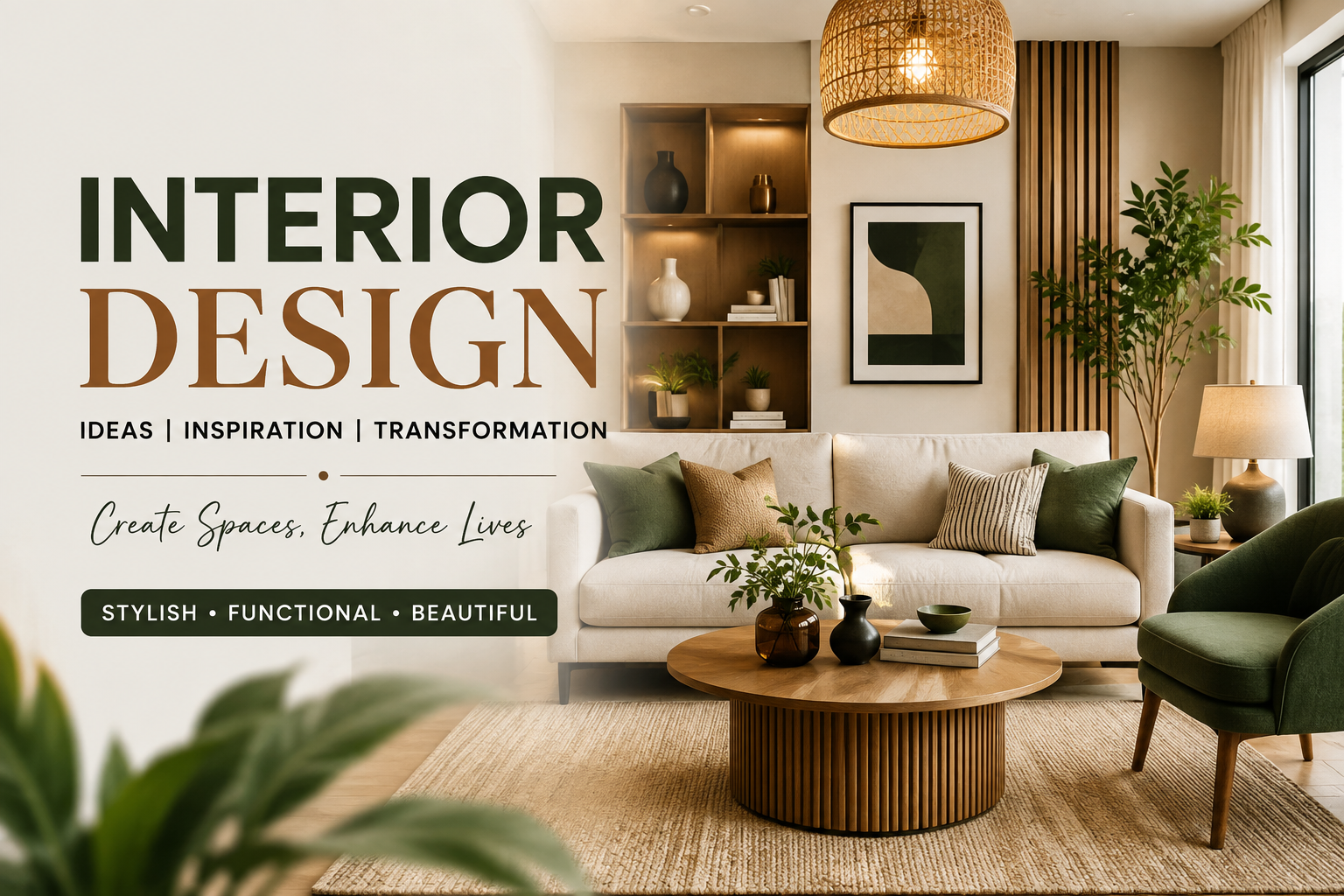
Colour has a powerful effect on how a room feels. Soft beige, cream, terracotta, olive, brown, and other earthy shades can create a warm and relaxing atmosphere. Stronger colours can be introduced through cushions, artwork, curtains, rugs, or decorative objects.
Rather than following every trend, choose colours that match your personality and the atmosphere you want to create.
Furniture and Layout
Furniture should balance style with comfort and practicality. Avoid filling every corner of a room. Leave enough space for people to move comfortably.
Curved furniture, natural wood, comfortable seating, and pieces with character are increasingly popular. The goal is to create a home that feels welcoming rather than overly formal.
Lighting Makes a Difference
Lighting can completely transform an interior. Use a combination of natural light, ceiling lights, floor lamps, table lamps, and accent lighting. Warm, layered lighting can make bedrooms and living rooms feel particularly comfortable.
Decorative lighting can also become a design feature, especially when using sculptural or artistic fixtures.
Add Texture and Personality
A room can feel flat if everything has the same texture. Add depth with rugs, curtains, cushions, wood, ceramics, plants, woven materials, and artwork.
Personal objects are equally important. Family photographs, handmade crafts, books, travel souvenirs, and artwork can make a space feel unique. Current design thinking increasingly values authenticity and personal expression over perfectly matched décor.
Sustainable Interior Design
Sustainability is becoming an important part of modern interiors. Choosing durable furniture, natural materials, energy-efficient lighting, locally made products, and long-lasting décor can reduce waste while creating attractive spaces.
For Indian homes, handmade crafts, natural materials, indoor plants, and locally inspired decorative elements can add both character and cultural identity.
Final Thoughts
Great interior design does not require an unlimited budget. The most successful spaces are thoughtfully planned and reflect the people who use them. By combining practical layouts, suitable colours, comfortable furniture, good lighting, natural materials, and personal details, you can transform an ordinary room into a beautiful and enjoyable space.
The best interior is ultimately one that looks good and feels like home.