Personal finance is an important part of everyday life. Whether you are a student, employee, business owner, or homemaker, learning how to manage money can help you build a more secure future. Personal finance is not only about earning money; it is also about spending wisely, saving regularly, controlling debt, and planning for future goals.
Create a Monthly Budget
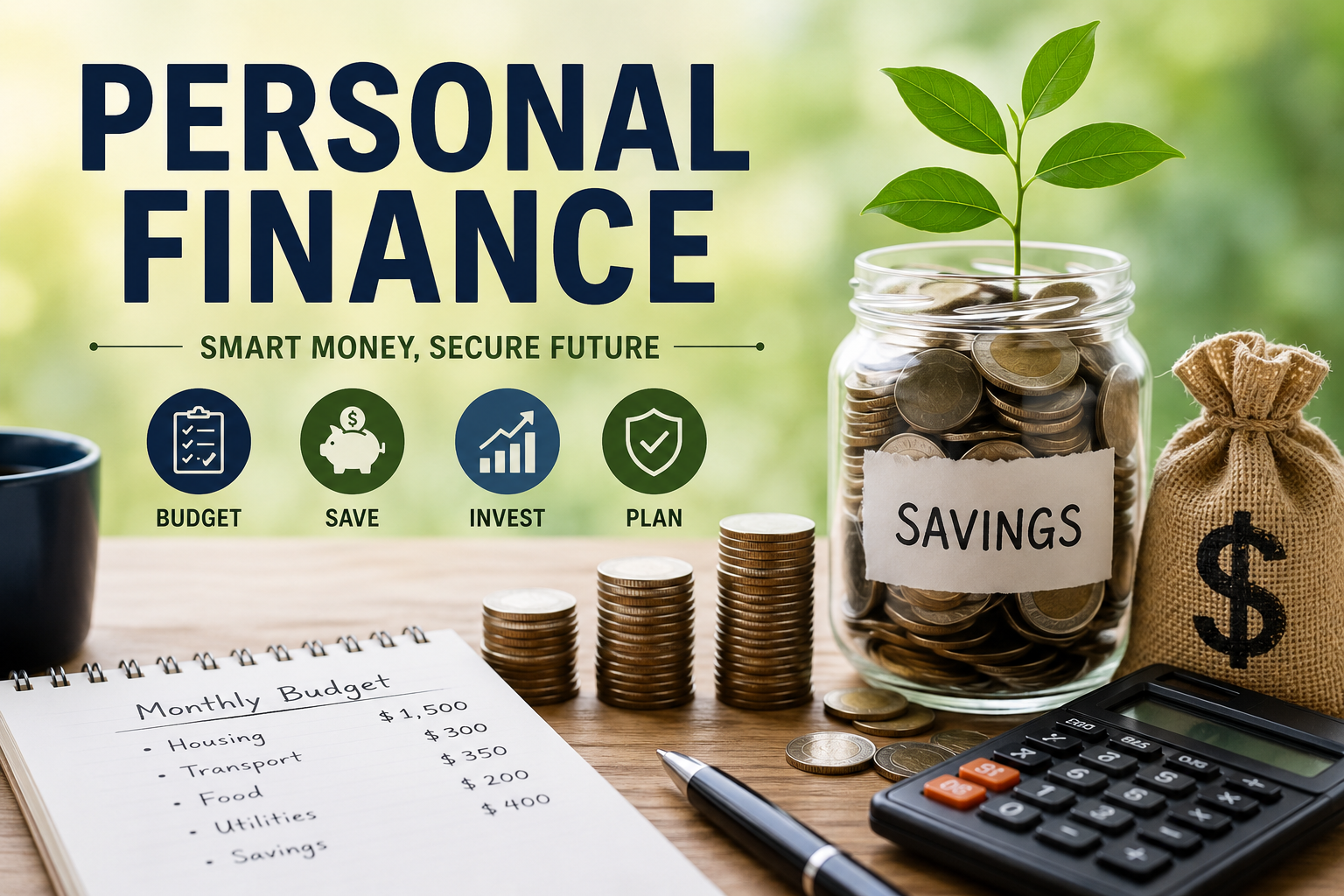
The first step toward better personal finance is creating a budget. A budget helps you understand where your money goes each month. Start by listing your monthly income and dividing your expenses into categories such as food, housing, transportation, education, entertainment, and savings.
A simple budget can prevent unnecessary spending. Before buying something, ask yourself whether it is a need or a want. Small expenses may seem harmless, but they can add up significantly over time.
Build an Emergency Fund
Unexpected expenses can happen at any time. Medical bills, job loss, urgent repairs, or family emergencies can create financial stress if you have no savings. An emergency fund provides a financial safety net.
Try to save a portion of your income regularly. Even a small amount saved every month can become useful over time. As your income increases, gradually increase your emergency savings as well.
Save and Invest for the Future
Saving money is important, but long-term financial growth often requires investing as well. Depending on your financial goals, you may consider options such as fixed deposits, mutual funds, bonds, stocks, or retirement-oriented investments.
Before investing, understand the risks and do proper research. Your investment choices should match your financial goals, time horizon, and ability to handle risk. Avoid making investment decisions simply because something is popular or because someone promises quick profits.
Manage Debt Carefully
Debt can be useful when managed responsibly, but excessive debt can become a serious financial burden. Credit cards, personal loans, and other forms of borrowing should be handled carefully.
Always understand the interest rate, repayment period, and total cost before taking a loan. Try to pay bills and loan installments on time. If possible, avoid unnecessary borrowing for things that you cannot comfortably afford.
Set Financial Goals
Good financial management becomes easier when you have clear goals. Your goals might include buying a home, paying for education, starting a business, traveling, or preparing for retirement.
Divide large goals into smaller steps. For example, instead of simply deciding to save a large amount of money, set a monthly savings target and track your progress.
Conclusion
Personal finance is a lifelong skill. You do not need to earn a huge income to start managing money effectively. The key is to spend thoughtfully, save consistently, invest carefully, and avoid unnecessary debt.
By developing good financial habits today, you can reduce financial stress and create greater opportunities for tomorrow. Remember, successful personal finance is not about how much money you make—it is about how wisely you manage the money you have.