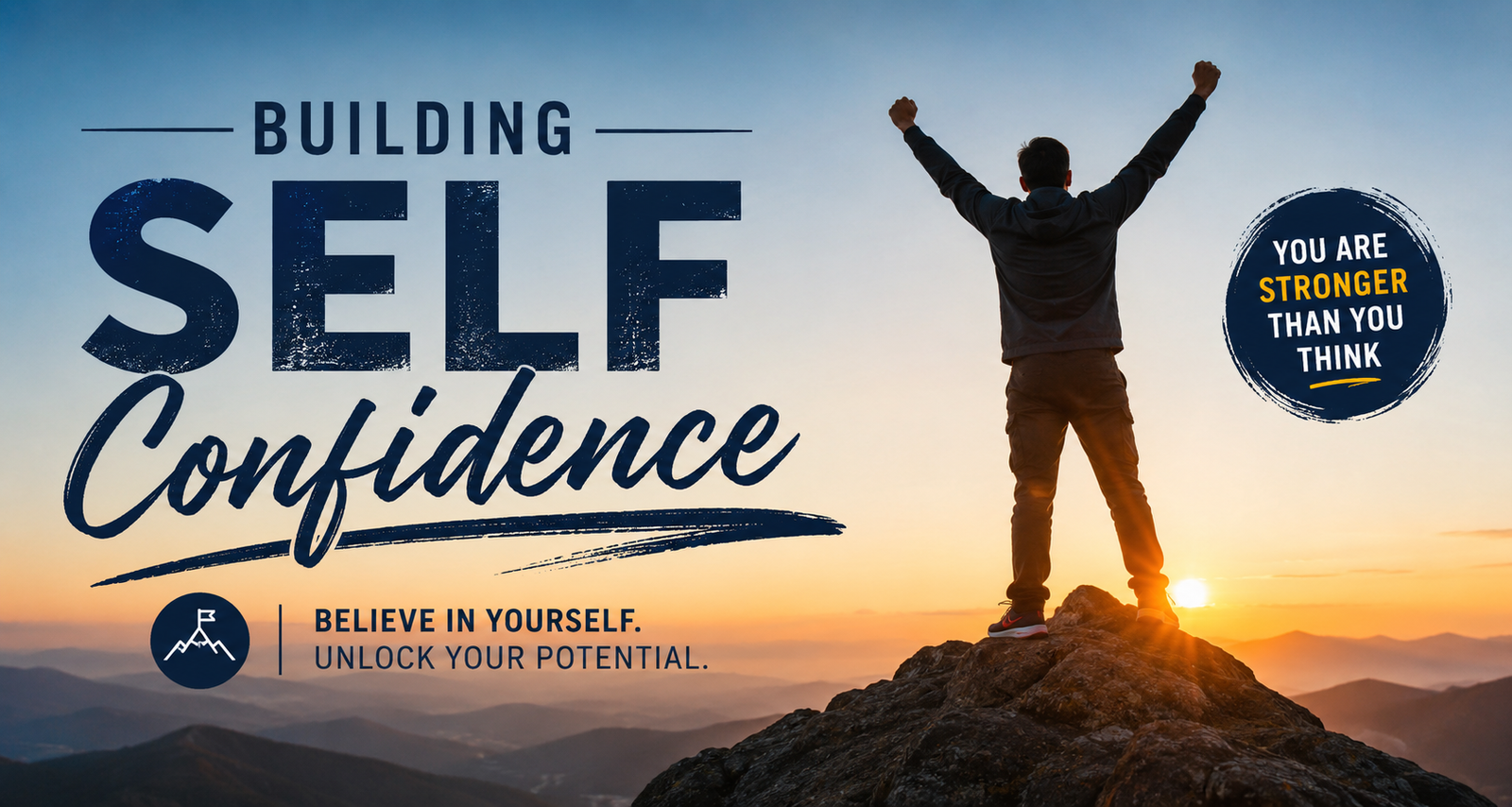
Self-confidence is the belief that you can handle challenges, learn from mistakes, and make meaningful decisions. It does not mean believing that you are perfect. Instead, it means accepting yourself while trusting your ability to grow.
Why Self-Confidence Matters
Confidence influences almost every part of life. A confident person is more likely to express ideas, take healthy risks, meet new people, and pursue personal or professional goals. When confidence is low, even simple challenges can feel overwhelming.
The good news is that self-confidence is not something you either have or do not have. It can be developed through consistent practice and positive experiences.
Know Your Strengths
One of the first steps toward greater confidence is recognizing your strengths. Think about skills you have developed, problems you have solved, and challenges you have overcome. Write down a few things you are proud of, even if they seem small.
Acknowledging your abilities helps you focus on progress rather than constantly comparing yourself with others.
Stop Negative Self-Talk
The way you speak to yourself can strongly influence your confidence. Thoughts such as “I cannot do this” or “I am not good enough” can make challenges seem bigger than they really are.
Try replacing negative thoughts with realistic and encouraging statements. Instead of saying, “I will fail,” tell yourself, “I can prepare, try my best, and learn from the experience.”
Set Small Goals
Confidence grows when you take action and experience progress. Set small, achievable goals instead of trying to change everything at once. Completing these goals gives you evidence that you are capable of making progress.
For example, if you want to improve your communication skills, start by speaking up once during a meeting or having a conversation with someone new.
Learn From Failure
Failure does not define your ability or your worth. Everyone makes mistakes. Successful people often become stronger because they learn from difficult experiences.
When something goes wrong, ask yourself: What can I learn from this? What could I do differently next time? This mindset turns failure into an opportunity for growth.
Avoid Constant Comparison
Comparing yourself with other people can damage self-confidence because you usually see only part of their lives. Instead, compare yourself with who you were yesterday.
Celebrate improvements, no matter how small they are. Personal growth is a journey, not a competition.
Take Care of Yourself
Physical and mental well-being can also affect confidence. Regular exercise, adequate sleep, healthy food, and time for relaxation can help you feel more energetic and capable.
Taking care of yourself sends an important message: you are worth investing in.
Conclusion
Building self-confidence takes time, patience, and practice. Believe in your ability to learn, accept your imperfections, celebrate your progress, and keep moving forward even when things become difficult. Confidence grows when you repeatedly prove to yourself that you can face challenges and continue learning.
The most important step is to begin. Believe in yourself, take action, and give yourself permission to grow.